Beyond the Game: Exploring Casablanca’s Hidden Gems and Iconic Landmarks
I never expected that stepping off the plane in Casablanca would feel like entering a living, breathing game level—every street corner packed with architectural quests and cultural loot boxes. As a gamer, I’m wired to appreciate intricate design, hidden secrets, and moments of awe. This city delivers all of that. From the Atlantic-washed coastline to the maze-like alleys of the Quartier Habous, Casablanca is a masterpiece of storytelling in stone and tile.
My first destination was the Hassan II Mosque, perched dramatically on a promontory above the ocean. I stood there, staring up at a minaret that pierces the sky at over 689 feet. Can you imagine a sacred structure that can host more than 100,000 worshippers at once? The sheer scale is dizzying. But what floored me was the enormous retractable roof. When it slides open, daylight floods the interior, and at night, you can pray under a canopy of stars. It felt like a divine cheat code had been activated. I stood for minutes simply watching light play across the intricate tilework, wondering how many hidden details I was missing.
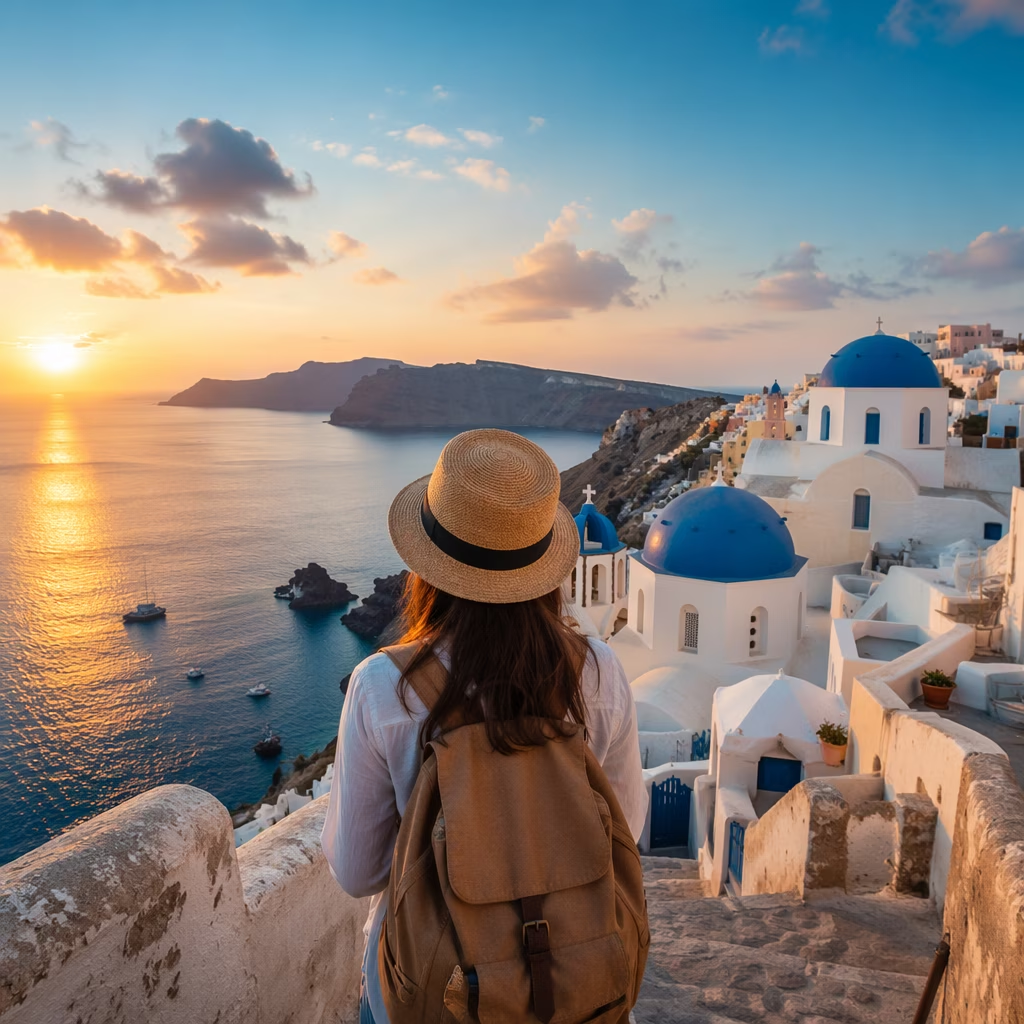
Just a short drive away, Arab League Park offered a different kind of level: a serene restoration zone. Spread over 30 hectares, this park is a lush oasis in the middle of the urban sprawl. I found myself drawn to the large lake, where guided boat tours glide past fish and waterfowl. The fountains and gardens reminded me of a carefully rendered simulation, except the scent of flowers was overwhelmingly real. Have you ever found a place so peaceful that your inventory of worries just empties out? That’s exactly what happened.
Next, I wandered into Mohammed V Square, where the architectural style merges traditional Moroccan and French colonial influences. The square is framed by heavy-hitters like the Palace of Justice and the Bank Al-Maghrib Museum. I could almost imagine it as a multiplayer hub where locals convene for festivals. The intricate tilework on the administrative buildings made me stop mid-step; every surface seemed to hold a texture pack from another era.
Then came La Corniche, the city’s coastal strip. Strolling along the waterfront, I took in the fresh sea air and admired buildings with blue shutters and whitewashed facades. It was as if the developers designed a pristine beach resort level right next to a bustling metropolis. I paused at a café, sipping mint tea and watching the Atlantic stretch toward infinity. Why do oceans always feel like the edge of a map, pushing you to wonder what’s beyond?
For an art fix, I headed to Villa des Arts, a 1930s Art Deco building turned contemporary museum. Inside, multimedia installations and paintings by local and international artists wove together narratives of tradition and innovation. The space felt like a gallery of unlockable backstories, each artwork a piece of lore waiting to be absorbed.
Even though the Royal Palace of Casablanca isn’t open to the public, I stood outside its gates for a long while, mesmerized by the ornate carvings, intricate mosaics, and the symphony of flowers in its gardens. Seeing the lush lawns and sparkling fountain, I couldn’t help but ask: what must it feel like to call a place like this home?
Quartier Habous, the New Medina, became my next playground. Narrow streets twist between colorful buildings and market stalls selling spices and handicrafts. The atmosphere on weekends is pure energy—merchants calling out, the smell of fresh bread, the vivid geometry of traditional rugs. I lost myself there, happily grinding for souvenirs and photo ops.
Foodies, take note: La Sqala is a must-visit. Housed in an 18th-century fortification, this restaurant merges history with flavor. Stone walls, crenelated towers, and mosaic-tiled tables set the scene. I devoured tagine while surrounded by a museum showcasing pottery, textiles, and woodcarvings. It’s rare to dine inside a fortified quest hub, isn’t it?
Another spiritual checkpoint was Al-Qods Mosque, a modern Islamic marvel that can welcome over 10,000 worshippers. The stained glass windows filtered light into a kaleidoscope of colors, while intricate geometric designs adorned every surface. I learned the mosque also runs classes on Arabic language and Moroccan culture—making it a center for both prayer and learning.
Finally, I powered down at Anfa Park, a 90-acre green expanse with palm-lined paths, a skating rink, and a mini-golf course. Sitting on a bench with a snack, I reflected on how Casablanca blends spiritual grandeur, historical depth, and chill leisure zones. For anyone who thinks they’ve seen all the world’s best levels, I say this: boot up a trip here, and prepare for a real-life exploration that no screen can match.