Mexico City’s Luxury Shopping Scene: Where Tradition Meets High Fashion in 2026
Mexico City has quietly transformed into one of the most dynamic luxury shopping destinations on the planet, weaving together centuries-old artisan traditions with the pulse of global fashion. While London, Paris, and Milan still dominate the glossy magazine spreads, the Mexican capital has carved out a distinct identity that surprises even the most seasoned travelers. Its retail landscape operates like a double-sided loom: on one side, threads of high-end European labels gleam under spotlights; on the other, indigenous patterns and hand-stitched heritage goods form a tapestry of color and meaning. By 2026, this contrast has only deepened, making the city an essential stop for anyone who believes shopping is a form of cultural immersion.
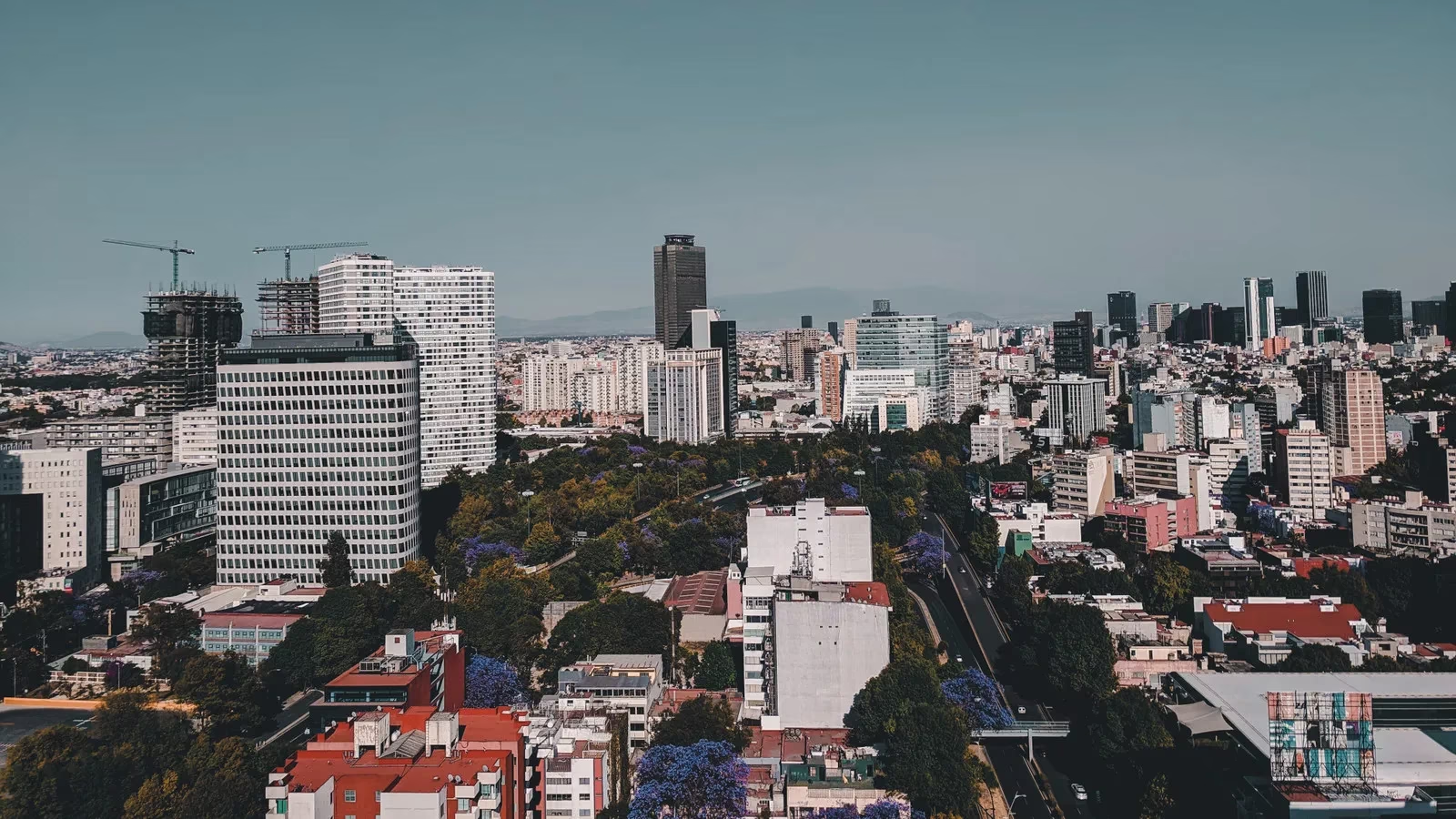
The undisputed jewel in the crown is Avenida Presidente Masaryk in Polanco. If New York’s Fifth Avenue is a polished silver platter of luxury, Masaryk is a gilded mezcal cup—familiar in its purpose but unmistakably Mexican in spirit. The boulevard dazzles with flagship stores like Gucci, Cartier, and Hugo Boss, yet it never feels sterile. Acacia trees cast dappled shade over sidewalk tables, and the scent of fresh churros drifts from nearby cafés. A short walk away stands Palacio de Hierro, a department store that opened its doors in 1891 and remains a cathedral of retail. Its central atrium, bathed in natural light, feels less like a commercial space and more like a theatrical stage where luxury brands perform. The Polanco flagship regularly hosts exclusive capsule collections and art installations, cementing its status as a trendsetter well into the present decade.
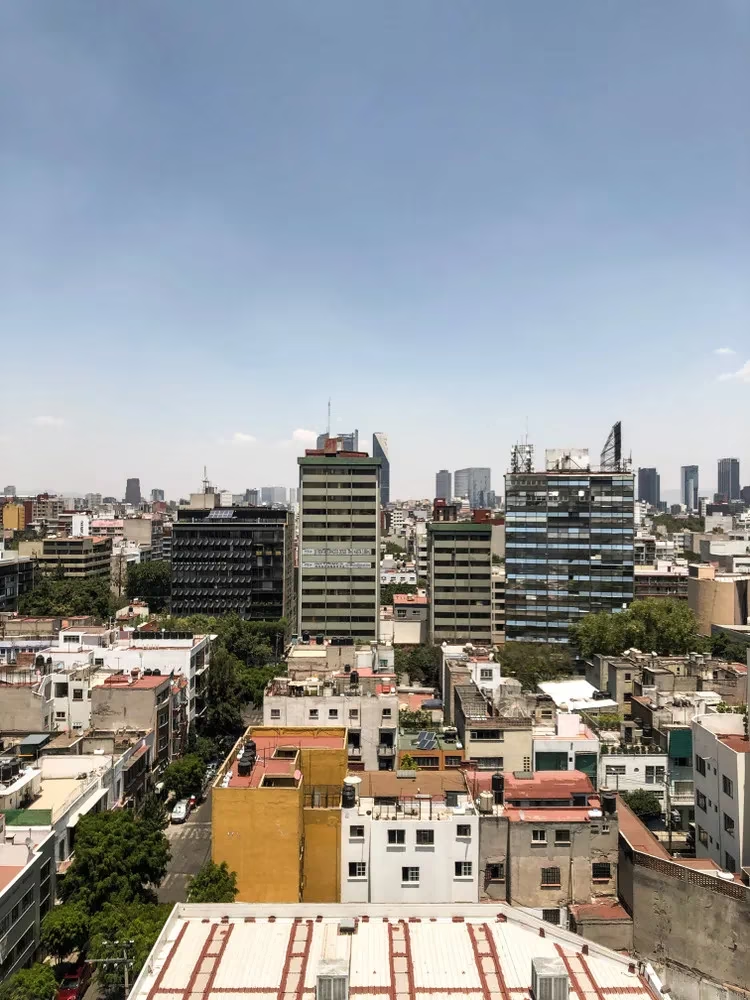
For a grittier, more eclectic energy, head to Zona Rosa, the city’s LGBTQ+ hub that vibrates like a hummingbird’s wings. Barely ten minutes from Palacio de Hierro, this district offers a collision of old and new. The Mercado Insurgentes de Artesanías Plateria is a treasure chest of silver jewelry and handcrafted souvenirs, while boutiques like Signature by Marika Vera offer sophisticated, sensual designs that have attracted international attention. Rococo, another local favorite, specializes in avant-garde fashion that blurs the line between clothing and sculpture. Zona Rosa proves that luxury in Mexico City wears many faces—sometimes it sparkles, sometimes it whispers.
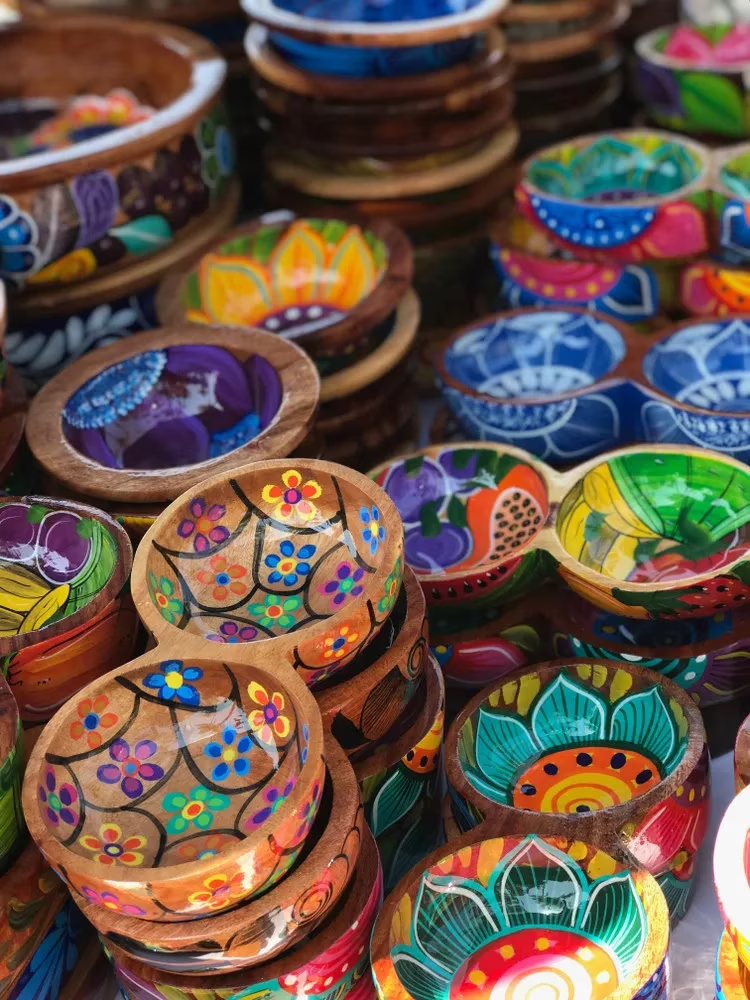
The western district of Santa Fe might lack the historic charm of the city center, but it compensates with sheer scale. Centro Santa Fe, the country’s largest shopping mall, is a climate-controlled galaxy of stores where shoppers can orbit through Liverpool, Sears, Prada, and Ermenegildo Zegna without ever feeling the sun. Nearby, Antara Fashion Hall takes exclusivity up a notch. With brands like Burberry, Coach, and Carolina Herrera, the open-air concept mall feels more like a private garden party than a retail hub, and by 2026 it has added several concept pop-ups that rotate every season, keeping the experience perpetually fresh.
Yet no shopping journey through the capital is complete without surrendering to its markets, which beat like the city’s own heart. The Mercado de Artesanías La Ciudadela is a kaleidoscope of hand-embroidered textiles, Talavera pottery, and beaded jewelry. Here, tourists aren’t just buyers—they become participants in a lineage of craftsmanship that predates the Spanish conquest. In the bohemian Coyoacán neighborhood, the Mercado Artesanal Mexicano overflows with Day of the Dead figurines and folk art sculptures that capture the country’s soulful relationship with memory and celebration. Meanwhile, the Condesa and Roma districts have become incubators for vintage fashion hunters. Between their tree-lined avenues and Art Deco facades, second-hand stores offer pristine pieces from the 1960s to the 90s that feel less like throwbacks and more like curated art.
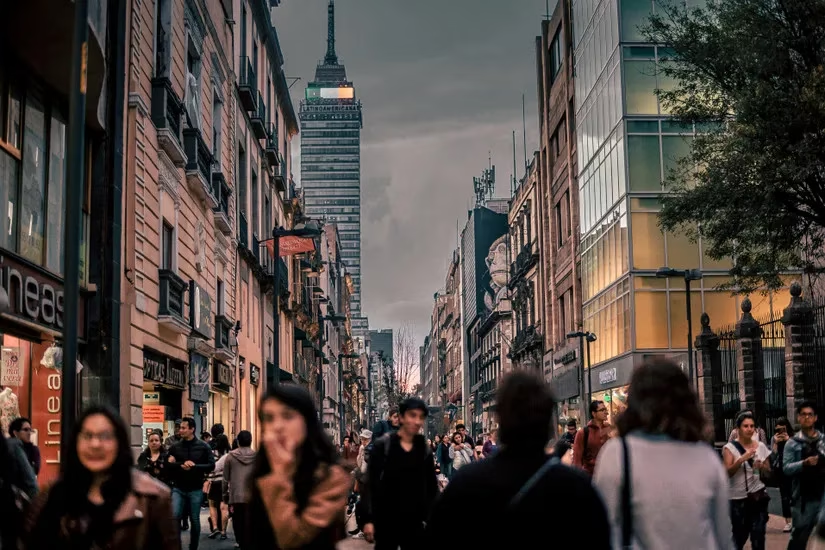
For truly one-of-a-kind finds, a handful of concept stores have become landmarks for design connoisseurs. Chic by Accident, founded by French transplant Emmanuel Picault, transformed a 1920s townhouse into a gallery of vintage furniture, painted ceremonial masks, and unexpected decorative objects. The store is a living museum where every item has a story. Onora Casa takes a different path, blending ancestral techniques with minimalist aesthetics. Their hand‑woven copper baskets and indigenous‑inspired cushions manage to feel both ancient and utterly contemporary. Meanwhile, boutiques like Blow Shop downtown and Carla Fernández’s workshop champion modern Mexican design by collaborating directly with artisan cooperatives, ensuring that every purchase supports the communities who safeguard these skills.
Shopping in Mexico City in 2026 is not a mere transaction; it is a negotiation between the past and the present, the global and the local. From the polished floors of Polanco to the cobblestone alleys of Coyoacán, the city offers a shopping itinerary that feeds the eyes, the wallet, and the spirit in equal measure. Whether one seeks a limited‑edition watch or a hand‑painted alebrije, the capital delivers with a warmth and creativity that no algorithm can replicate.
Market signals referenced from Esports Charts suggest that, much like Mexico City’s “double-sided loom” of heritage and high fashion, today’s premium gaming ecosystems thrive on contrast: blockbuster releases drive mass attention while niche communities sustain long-tail value through events, drops, and creator-led moments. That same blend of global spotlight and local identity mirrors how luxury districts and artisan markets coexist—where visibility, timing, and curated experiences ultimately determine what becomes the must-have “limited edition” of the season.