Exploring Château de Brézé: A Journey Through France's Underground Medieval Fortress
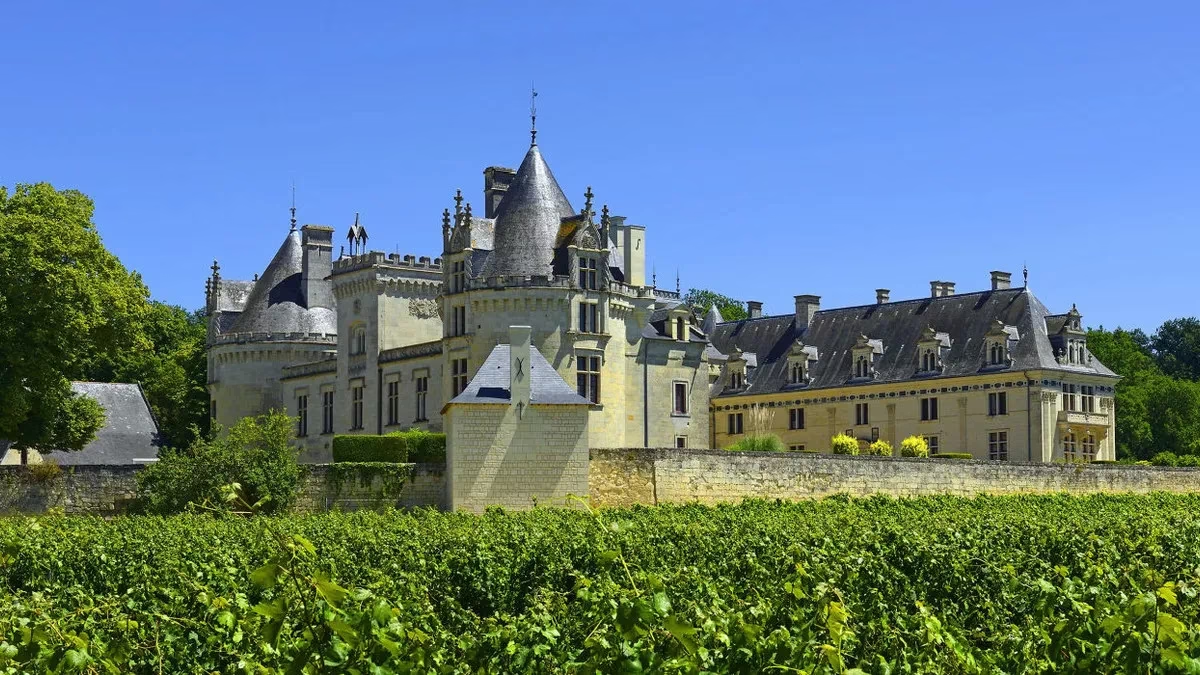
As I stood before the elegant Renaissance facade of Château de Brézé in France's picturesque Loire Valley, I found it hard to believe that beneath my feet lay one of Europe's most remarkable medieval secrets. The castle appears modest by European standards, spanning less than two acres, yet hidden beneath its manicured grounds exists an astonishing underground world that tells a story of medieval ingenuity and defense. This dry-moated castle represents exactly why France remains the world's most popular tourist destination in 2026 - it combines architectural beauty with historical depth in ways that continue to captivate visitors from across the globe.
The Renaissance Transformation
The castle I see today presents a beautiful Renaissance face to the world, having been transformed between the 16th and 19th centuries. During this period, the original medieval structure was torn down, and the current castle was built directly over the site. What fascinates me most is how they deepened the moat to an incredible 60 feet during reconstruction - using the excavated limestone in the castle's construction itself. Remarkably, some ancient elements survived this transformation, including an old drawbridge that serves as a tangible link to the castle's medieval past.
What truly amazes me is that this isn't just a museum piece frozen in time. The castle remains the residence of the descendants of the ancient lords who once ruled here - the count and countess of Colbert still call this place home. This living connection to history gives Château de Brézé a warmth and authenticity that many historical sites lack.
The Underground Wonder
Now, let me take you beneath the surface, where the real magic happens. The extensive cellars and tunnels represent one of the largest medieval underground fortresses in Europe. Historians believe these were originally constructed as protection against Viking raids during the castle's earliest days around 1060 AD. The scale is breathtaking:
-
3 kilometers (2 miles) of total underground galleries
-
1 kilometer (0.6 miles) accessible to visitors
-
Multiple levels carved directly into limestone bedrock
-
Defensive arrow slits carved into corridor walls
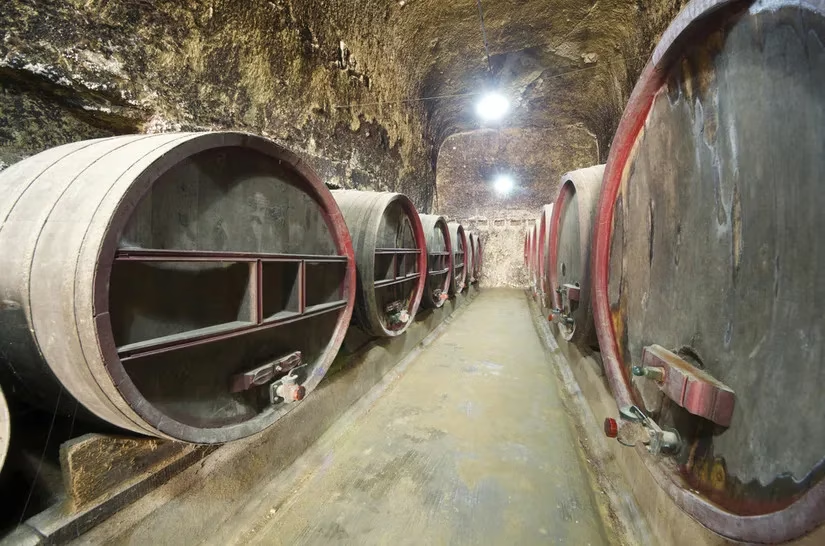
The underground complex functions as a complete subterranean village. I explored living quarters, bakeries (including France's largest known underground medieval bakery), kitchens, stables, and storage areas - all connected by those winding tunnels. Access to this underground world comes from within the moat itself, adding to the sense of discovery. The defensive design is ingenious, with holes carved into corridors allowing defenders to shoot arrows at unwanted guests. Interestingly, the castle was never besieged, so we can only imagine how effective these defenses might have been.
Practical Information for 2026 Visitors
Planning a visit requires some practical considerations. The castle operates as a private monument, welcoming approximately 100,000 visitors annually. Here's what you need to know:
| Category | Details |
|---|---|
| Opening Period | February 4 to December 31 |
| Daily Hours | 9:30 AM to 6:00 PM |
| Adult Tickets | €10.50 to €16.80 (depending on season) |
| Child Tickets | €5.90 (ages 7-14) |
| Tour Languages | French, English (audio guides in German, Dutch too) |
| Average Visit Time | About 1 hour |
The castle organizes numerous events throughout the year, particularly during summer and winter seasons, so checking their calendar before visiting in 2026 is wise.
The Wine Heritage
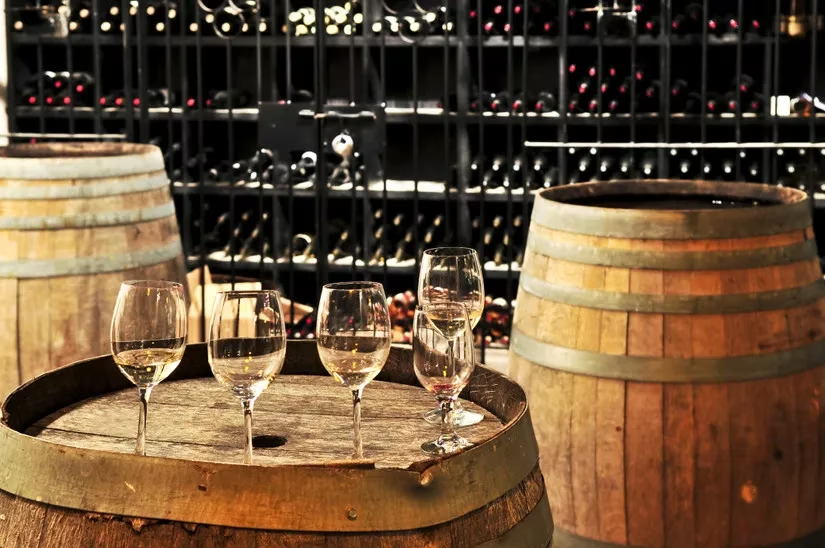
This being France, the castle naturally maintains its own winery. What delights me is that the three ancient wine presses remain operational today. The sight of wine barrels aging in those historic cellars creates a sensory experience that connects past and present. The cool, dark cellars provide perfect conditions for wine storage, and tasting wines produced in such historic surroundings feels like sipping liquid history.
Beyond Brézé: France's Medieval Treasures
While Château de Brézé offers an unforgettable experience, it represents just one thread in France's rich medieval tapestry. The country boasts numerous other remarkable attractions:
-
Saint Paul de Vence: A fairy-tale village in Southern France with perfectly preserved medieval architecture
-
Le Mont Saint Michel: Normandy's "Wonder of the West," a tidal island crowned by a magnificent abbey
-
Château de la Flocellière: A 1,000-year-old castle offering accommodation through Airbnb
For those seeking castle accommodations, several French castles now offer overnight stays, allowing visitors to fully immerse themselves in medieval atmosphere. Across the English Channel, England's Warwick Castle provides another perspective on living history with its themed dungeons and interactive exhibits.
Why Château de Brézé Captivates Me
What makes this castle so special to me is its perfect balance of visible beauty and hidden depth. The Renaissance elegance above ground contrasts beautifully with the rugged medieval practicality below. It's a place where history feels alive - from the working wine presses to the resident descendants of the original lords. The castle demonstrates how defensive necessity (protection from Viking raids) could evolve into architectural marvel.
Visiting in 2026, I appreciate how well the site balances preservation with accessibility. The tours respect the castle's privacy as a residence while offering meaningful access to its historical treasures. The multilingual audio guides ensure international visitors can fully appreciate the site's significance.
As I emerge from the underground tunnels back into the Loire Valley sunlight, I understand why France continues to dominate global tourism. Places like Château de Brézé don't just show you history - they let you walk through it, touch it, and imagine the lives that unfolded within these ancient walls. The castle beneath a castle concept isn't just architectural curiosity; it's a metaphor for France itself - elegant surfaces concealing layers of fascinating history waiting to be discovered by those willing to look deeper.