Pharaoh's Island: A Crusader Mystery in the Red Sea
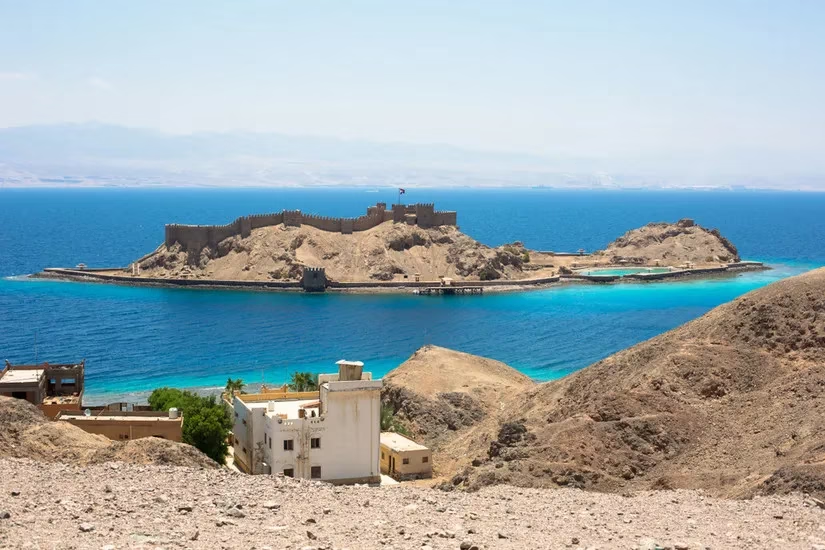
Pharaoh's Island, also known as Coral Island, is one of those hidden gems in Egypt that makes history buffs and adventure seekers go, 'No way, that's real?' Located just a stone's throw off the coast of the Sinai Peninsula in the northern Gulf of Aqaba, this tiny speck of land is a stone's throw from the glitzy resorts of Sharm El Sheik. But forget the all-you-can-eat buffets and infinity pools; this place is all about ancient stones, disputed history, and some seriously epic snorkeling. It's a place where you can literally stand and see four countries—Egypt, Israel, Jordan, and Saudi Arabia—which is pretty mind-blowing when you think about it. The island is tiny, only about 350 meters long and 170 meters at its widest, but man, does it pack a historical punch. It's like the ultimate history mystery box sitting in the crystal-clear Red Sea.
The Great Castle Debate: Crusaders or Saladin?
Let's talk about the main attraction—the castle. This isn't just any old pile of rocks. The ruins on Pharaoh's Island are stunning and are among the few potential Crusader sites in Egypt. The big question that has historians scratching their heads is: who built it? 🤔
-
The Crusader Theory: Some scholars believe the fortress was built during the reign of Baldwin I, King of Jerusalem, around 1116 AD. The Crusaders reached the Gulf of Aqaba that year, and this defensible island at the narrowest point of the gulf would have been the perfect spot to control trade routes, tax Arab merchants, and protect Christian pilgrims heading to places like St. Catherine's Monastery. If true, this would have been a remote but crucial outpost.
-
The Saladin Theory: Then there's the other camp. The legendary Muslim leader Saladin, famous for recapturing Jerusalem (and played awesomely in Kingdom of Heaven), is said to have taken the island from the Crusaders in 1170. The castle is often called Saladin's Castle, and it's believed he—and later Muslim rulers—expanded the fortifications significantly.
-
The Third Take: Some experts even suggest the Crusaders never had a permanent garrison here at all and that the castle was built entirely by medieval Muslim rulers. Talk about a historical 'whodunit'!
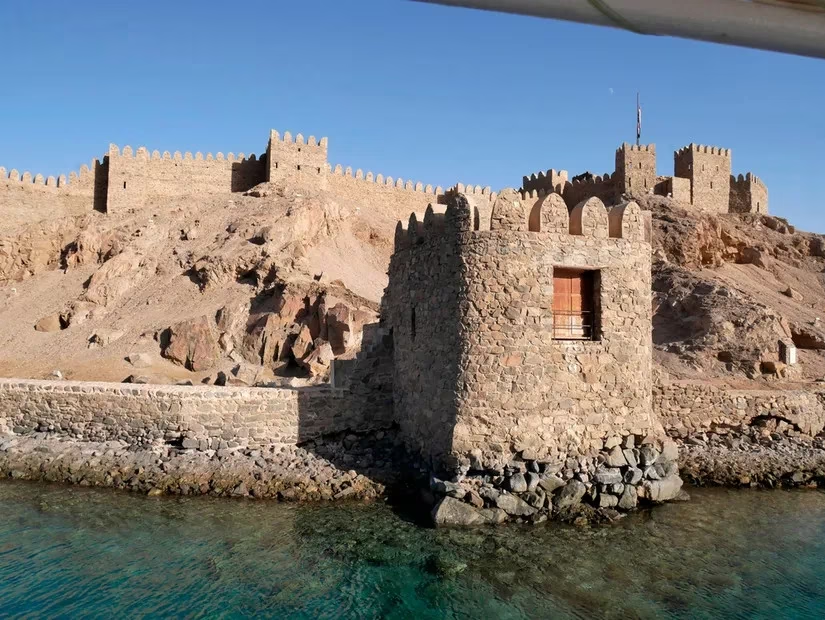
Regardless of its origins, exploring the castle ruins in 2026 is an absolute treat. You can wander through:
-
Sleep quarters for the old garrison
-
Ancient bathhouses
-
Huge ovens
-
Towers for archers
-
Even special towers for pigeons (the original text messengers!)
More Than Just Medieval Walls: A Crossroads of Ancient Trade
Pharaoh's Island's story doesn't start with knights or sultans. This place has been a strategic hub for millennia. Archaeologists have found pottery shards on the island that tell a much older tale:
| Time Period | What Was Found | Likely Purpose |
|---|---|---|
| Late Bronze / Early Iron Age | Midianite Pottery | Early trade & habitation |
| Ancient Egyptian Times | Egyptian Pottery Shards | Staging post for the Timna copper mines |
The island once sat at a major junction of sea and land trade routes connecting Southern Arabia and East Africa with Syria and Egypt. Some even think this tiny island might be the Biblical location of Ezion-Geber. The nearby Timna copper mines in what is now southern Israel were legendary—often linked to the fabled wealth of King Solomon's mines. So this little island was basically the ancient world's version of a major shipping and logistics hub!
Visiting in 2026: How to Get There & What to Do
Fast forward to today, and Pharaoh's Island is a protected site, with its cultural and natural value recognized internationally. After Israel returned the Sinai to Egypt in the 1980s, the ruins underwent extensive restoration. Getting there is half the adventure. The island is only a few hundred meters off the Egyptian mainland, but the lagoon is shallow. You'll need to take a boat, and it's only accessible at high tide. Most visitors base themselves in nearby resorts and take day trips.
Primary Jump-off Points:
-
Taba, Egypt: The closest town, directly across the border from Eilat, Israel.
-
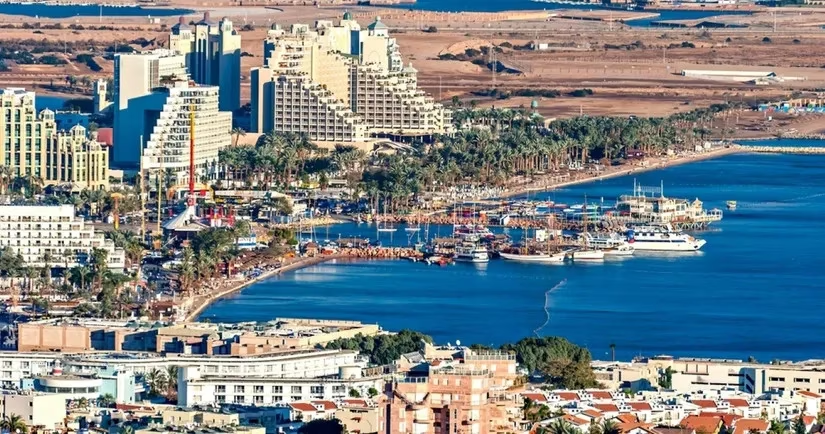
Eilat, Israel: A popular southern resort city.
-
Aqaba, Jordan: Another major port city just a short boat ride away.
Underwater Paradise: The Real Reason Many Visit
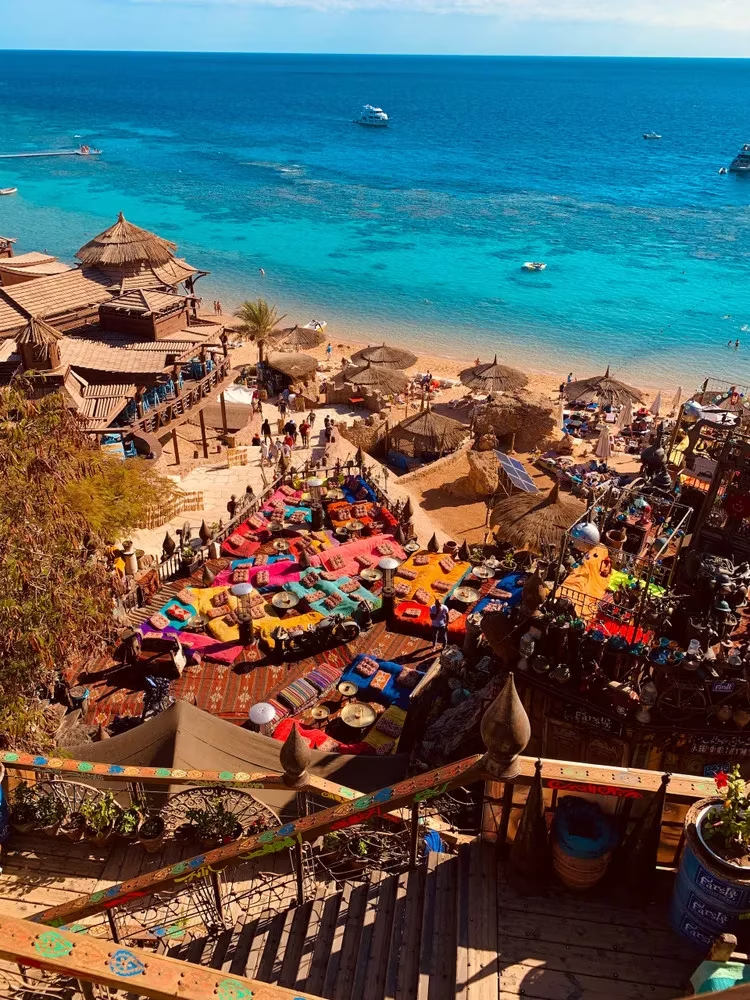
Okay, so the history is cool, but for many, the main event is underwater. The Gulf of Aqaba is famous for its pristine, clear waters and incredible coral reefs. The area around Pharaoh's Island is a diver's and snorkeler's dream come true. 🐠
Must-Do Aquatic Activities:
-
Snorkeling the Coral Gardens: The waters are teeming with life right off the island's coast.
-
Scuba Diving: Explore famous sites like the Picasso Reef, an underwater mountain adorned with massive table corals.
-
Marine Life Spotting: Keep your eyes peeled for the colorful and famous Picasso Triggerfish. It's a total 'Instagram vs. Reality' moment but in the best way possible—the reality is even more stunning.
Pro-Tips for Your 2026 Adventure
Planning a trip? Here's the 411 to make the most of it:
-
Combine Your Trip: Since you're in the region, consider visiting other historical heavyweights. The stunning Crusader castle of Kerak in Jordan also featured in Kingdom of Heaven and is well worth the trip.
-
Respect the Site: This is a protected UNESCO-recognized area. Take only pictures, leave only bubbles (if you're diving!).
-
Timing is Everything: Check tide schedules for boat access to the island and aim for early morning visits to avoid the heat and crowds.
In the end, Pharaoh's Island is more than just a day trip; it's a journey through layers of history, from Biblical times and Pharaohs to Crusaders and Sultans, all capped off with a world-class aquatic adventure. It's the perfect blend of 'whoa, check this out' and 'ahhh, this is so peaceful.' Whether you're a history nerd, a diving enthusiast, or just someone looking for a unique spot far from the typical tourist trail, this little island in the Red Sea delivers big time. So, what are you waiting for? Go see it for yourself and decide who you think really built that castle.